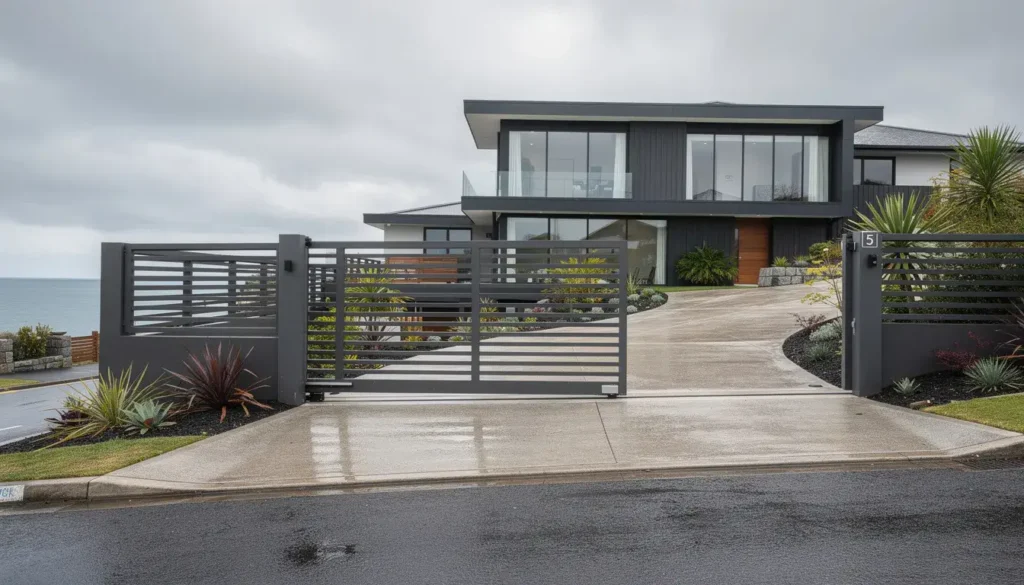
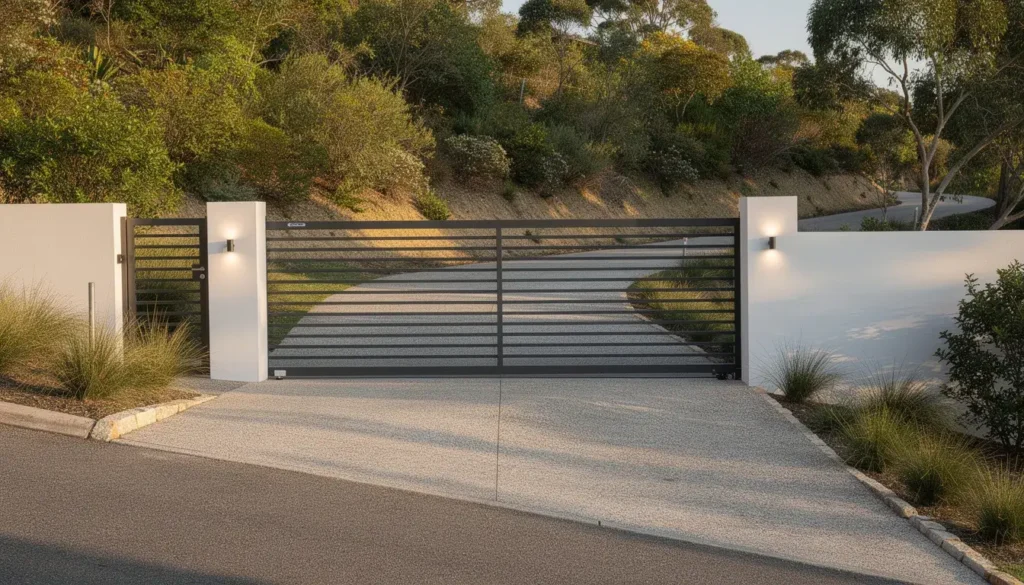
Welcome to your comprehensive guide on the best gate materials for Wellington! Whether you’re a homeowner looking to enhance your property’s security, curb appeal, or functionality, this article will help you navigate the unique challenges posed by Wellington’s weather and landscape. From durable aluminium to classic hardwood gates, we’ll explore the pros and cons of each material to ensure you make an informed decision that stands the test of time in this vibrant city.
Table of Contents
Key Takeaways
- Wellington’s high humidity, frequent rainfall, strong winds, and coastal salt spray make rust-resistant gate materials essential for long-lasting performance.
- For most Wellington homes in 2026, powder-coated aluminium and galvanised steel offer the best balance of durability and low maintenance, with aluminium emerging as the standout all-rounder.
- Hardwood timber still suits character villas and heritage streetscapes but requires regular staining or painting to cope with Wellington’s wet, windy climate.
- This guide compares aluminium, steel, timber, composite, and wrought iron specifically for Wellington conditions—including wind zones, coastal exposure, and local council expectations.
- You’ll also find cost ranges in NZD, recommended use-cases for driveway gates versus garden or side gates, and practical FAQs at the end.
Overview: Gate Materials Wellington Homeowners Actually Use
Wellington’s weather creates unique challenges for any outdoor structure. Strong northerlies and southerlies batter properties year-round, salt spray affects suburbs from Lyall Bay to Seatoun to Eastbourne, and annual rainfall averaging around 1,200mm means materials face constant moisture exposure. This makes your choice of gate material far more critical here than in many other New Zealand cities.
The five main materials Wellington homeowners use as of 2024–2026 are:
- Powder-coated aluminium – the most popular choice for modern homes
- Galvanised and powder-coated steel – preferred for security-focused properties
- Hardwood timber (kwila, vitex, macrocarpa) – suits traditional villas and lifestyle blocks
- Composite boards on metal frames – timber-look with minimal upkeep
- Wrought iron – for ornate heritage properties
Each material differs significantly in cost, durability, maintenance requirements, and aesthetic appeal. The “best” option depends on your site’s exposure (coastal versus sheltered), security needs, architectural style, and how much upkeep you’re willing to commit to. The rest of this article gives Wellington-specific pros, cons, and typical price brackets to help you decide quickly.
Aluminium Gates in Wellington
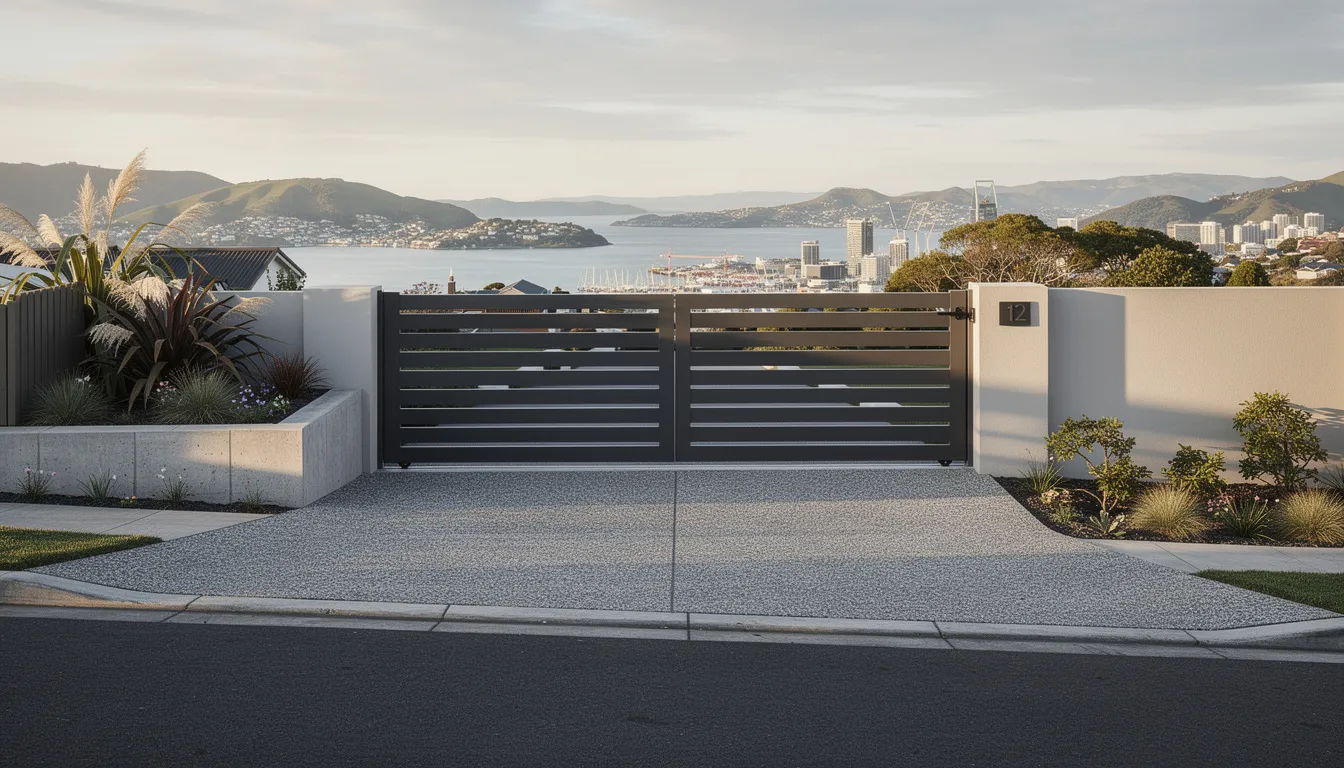
Powder-coated aluminium has become the most popular gate material across Wellington suburbs like Churton Park, Whitby, and Khandallah. Its ability to handle both wind and sea air without corroding makes it the go-to choice for homeowners who want durability without the maintenance headaches.
Key Benefits for Wellington
- Rust-free performance – Aluminium is naturally resistant to corrosion, making it ideal for coastal zones like Island Bay and the Miramar Peninsula where salt spray accelerates metal decay
- Lightweight construction – Reduces strain on hinges, posts, and automation motors, which is particularly valuable on Wellington’s sloping driveways where gate mechanisms already work hard
- Minimal maintenance – An annual wash is typically all that’s needed, with occasional cleaning in coastal areas to remove salt deposits
- Versatile styling – Aluminium slat and tubular designs pair perfectly with the aluminium slat privacy fencing already popular throughout the region
Local fabricators like Heritage Gates offer fully welded aluminium gates custom-built to replicate traditional timber styles or contemporary designs. The powder-coating process involves pre-treatment followed by a durable coat in virtually any colour, ensuring no rust issues even in Wellington’s wet, salty air.
Popular colour choices from NZ Colorsteel and Dulux ranges include Ironsand, FlaxPod, and Gull Grey. One practical note: darker colours can show salt deposits more clearly, requiring more frequent rinsing if you’re near the coast.
Cost Guidance (NZD, 2026–2027)
| Gate Type | Typical Price Range |
|---|---|
| Basic pedestrian gate (supplied and installed) | $900 – $1,500 |
| Standard driveway swing/sliding gate | $3,000 – $8,000 |
| Fully automated driveway system | $6,000 – $12,000+ |
For properties in high-wind zones like Brooklyn’s ridgeline, Makara, or exposed Wadestown sites, heavier posts and quality hinges or track systems are recommended. Even with these upgrades, aluminium remains the most practical low maintenance option for Wellington conditions.
Pros:
- Incredibly durable against rust and corrosion
- Light weight suits steep driveways and automated gates
- Significantly less maintenance than timber or wrought iron
- Wide range of colours and styles
Cons:
- Lower raw strength than steel (thicker profiles needed for high-security applications)
- Higher upfront cost than basic timber
- May not suit heritage properties seeking traditional aesthetics
Steel Gates for Security and Strength
Where aluminium excels in low maintenance, steel gates deliver unmatched strength and security. Galvanised and powder-coated steel is the material of choice for high-security entrances, particularly in industrial and commercial areas like Seaview or Grenada North.
Modern Wellington steel gates are typically hot-dip galvanised and then powder coated to handle coastal corrosion. However, they still require more vigilance than aluminium—any chips or scratches in the coating need prompt touch-ups to prevent rust from taking hold.
Main Advantages
- Highest impact resistance – Steel gates create a serious physical barrier that’s difficult to breach
- Superior deterrent – The visible weight and strength of steel sends a clear security message
- Ideal for large gates – Better stiffness for taller gates or heavy infill panels that need to withstand Wellington’s strong winds
- Long lifespan – With proper maintenance, steel gates can last 20–50 years
Drawbacks to Consider
- Heavier gates require stronger fence posts and deeper concrete footings—a significant consideration on Wellington’s often soft or sloping ground
- More robust automation motors are needed for driveway gates
- Ongoing touch-up paint is required where coatings get damaged
- Regular maintenance is essential to prevent rust in humid coastal conditions
Cost Guidance (NZD, 2027–2026)
Typical Wellington residential steel gates range from about $3,500 to $10,000 installed, with ornate or fully custom designs and automation at the upper end. For rural properties or lifestyle blocks, farm-oriented options like Gallagher’s steel gates offer durable materials at lower price points—their Fieldmaster gates start around NZD$310 for medium-duty applications.
Steel works best for owners prioritising security over minimal upkeep—properties with valuable vehicles, boats, or workshops stored behind the gate. Unlike wooden gates, steel provides both the strength and longevity needed for serious property protection.
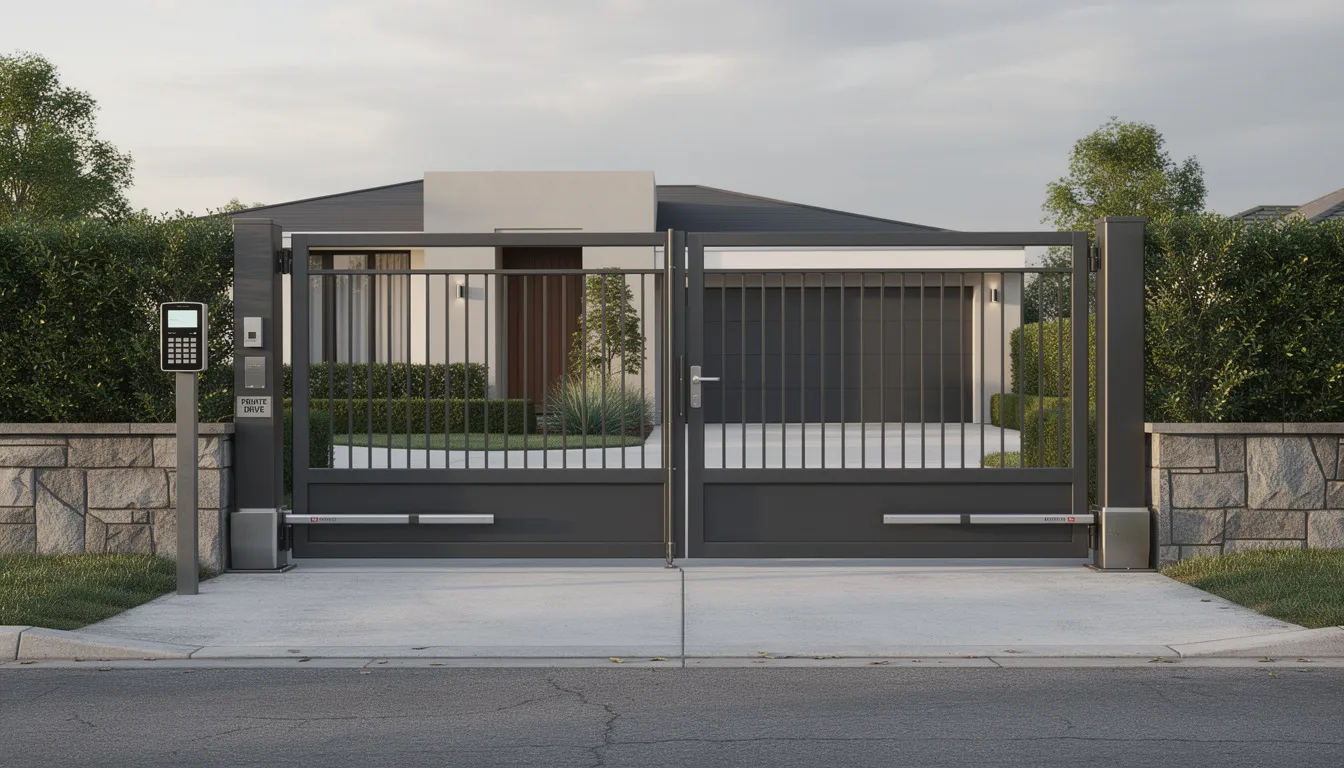
Timber Gates: Classic Look, Higher Upkeep in Wellington
Wooden gates remain popular for character villas in suburbs like Thorndon, Mt Victoria, and Newtown, as well as lifestyle blocks around Upper Hutt and Wainuiomata. Their rustic charm and ability to match traditional wooden fences and paling designs make them a natural choice for heritage streetscapes.
Timber Species Commonly Used
- Macrocarpa – New Zealand native, naturally resistant to rot, weathers to silver-grey
- Western Red Cedar – Lightweight, stable, excellent durability
- Kwila – Dense hardwood, excellent lifespan but heavier
- Vitex – Another durable hardwood option for gate construction
- H3.2 or H4 treated pine – Budget-friendly but requires more maintenance
Durable hardwoods last longer but are heavier and more expensive. For wood gates on wide driveways, the additional weight can put strain on hinges and posts.
Wellington-Specific Challenges
Wellington’s climate creates particular problems for timber:
- Frequent wetting and drying cycles cause swelling, cracking, and eventual rot
- Strong sun on exposed sites leads to UV degradation and colour fading
- Salt-laden winds on coastal hills accelerate timber breakdown
- High winds can warp large solid panels and strain fixings
Maintenance Expectations
- Check, clean, and re-oil or repaint every 1–2 years
- Tighten fixings after major wind events
- Watch for sagging on wide driveway gates
- Budget for frequent replacements of hardware in exposed locations
Cost Guidance (NZD, 2026–2027)
| Gate Type | Typical Price Range |
|---|---|
| Simple pedestrian timber gate (installed) | $600 – $1,200 |
| Double driveway gates | $2,000 – $6,000 |
| Custom wood gates with detailed work | $4,000 – $8,000+ |
For windy Wellington sites, timber infill should ideally be supported by a steel or aluminium frame to reduce warping and sagging over time. This hybrid approach—sometimes called aluminium and wood gates—gives you the natural material aesthetic with better structural performance.
Best use cases for timber:
- Heritage villas where a privacy fence needs to match existing wooden fences
- Properties in sheltered valleys (Karori, central Lower Hutt)
- Homeowners who enjoy regular maintenance as part of property upkeep
- Custom carvings or unique designs that showcase quality craftsmanship
Composite and Wrought Iron: Niche but Worth Considering
While aluminium and timber dominate the Wellington market, composite boards and wrought iron gates fill useful niches for specific aesthetics and maintenance preferences.
Composite Gates
Composite gates typically combine aluminium or steel frames with capped composite boards—similar to the composite decking and pvc decking materials that have become popular for wooden deck construction across New Zealand since the early 2010s. They offer a timber-like appearance with much less maintenance.
Performance in Wellington:
- Excellent resistance to Wellington’s wet, salty environment
- Won’t rot, warp, or require painting like natural timber
- Some UV fading possible over time (less pronounced than with timber)
- Higher upfront cost than basic timber or aluminium slat options
Cost Guidance: Composite driveway gates in Wellington typically fall in the $4,000–$9,000 installed range depending on span and automation, with pedestrian fence gate options proportionally cheaper.
Wrought Iron Gates
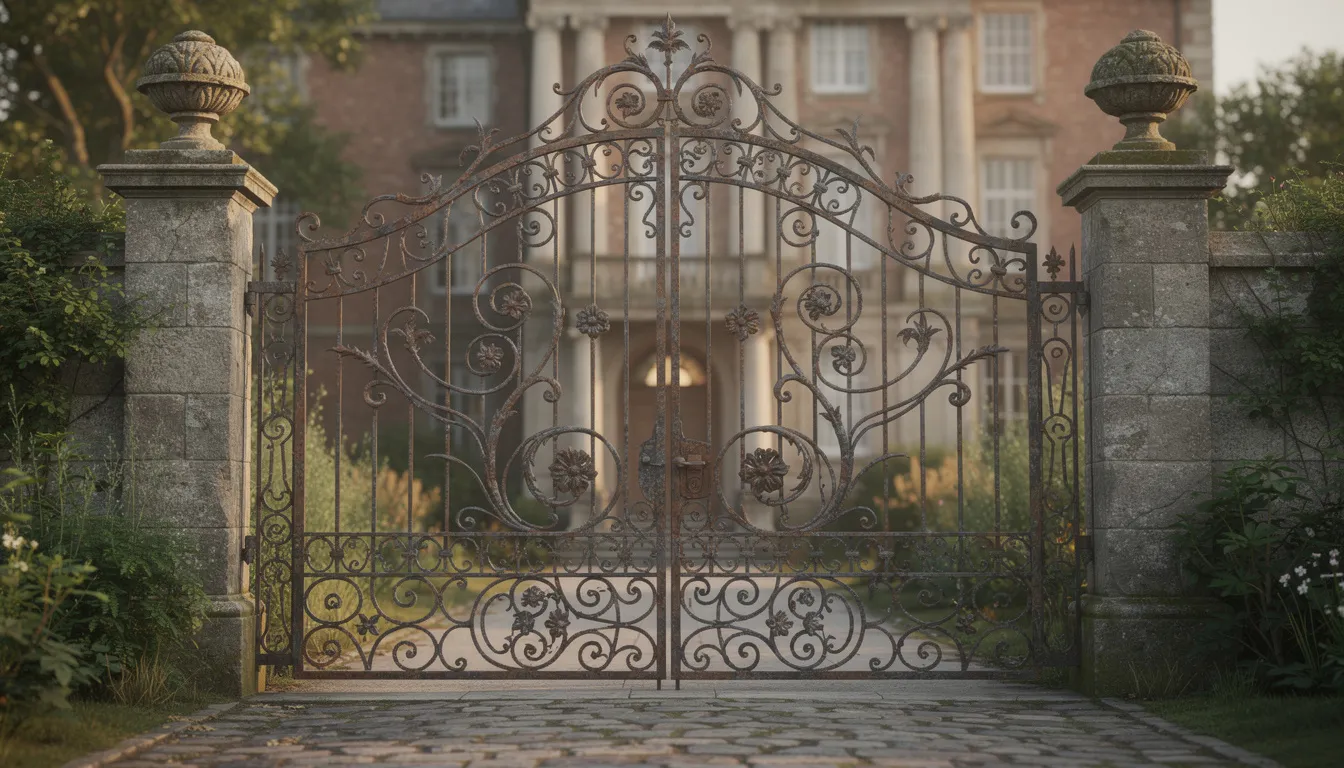
Wrought iron suits heritage-style properties in older suburbs like Kelburn and Mt Victoria, where ornate designs match existing balustrades, balcony railings, and the home’s exterior character.
Wellington considerations for wrought iron:
- Must be carefully galvanised, primed, and painted to cope with marine climate
- Periodic rust inspections essential, especially in suburbs like Petone and Oriental Bay
- Expect repainting every 5–10 years for proper maintenance
- Maintenance costs accumulate over the gate’s lifetime
Wrought iron gates can last 20–40 years with diligent care, offering superior durability when maintained. However, the labor costs for ongoing upkeep make them a significant investment.
When to choose each:
- Composite: Homeowners wanting timber aesthetics without maintenance hassles, particularly in exposed coastal locations
- Wrought iron: Heritage properties where ornate metalwork enhances curb appeal and architectural style continuity matters
Comparing Materials: Durability, Maintenance, and Cost in Wellington
This section brings everything together for a quick comparison under Wellington’s specific conditions—high wind zones, frequent rain, and varying coastal exposure around Wellington Harbour and Cook Strait.
Expected Lifespan in Wellington
- Powder-coated aluminium: 20–30+ years with minimal upkeep
- Galvanised/powder-coated steel: 20–30+ years if coatings maintained
- Hardwood timber: 10–20 years with consistent care
- Composite: 20–25 years
- Wrought iron: 20–40 years with regular repainting
Maintenance Ranking (Lowest to Highest Effort)
- Aluminium – Occasional cleaning, virtually no other maintenance
- Composite – Periodic cleaning, no painting required
- Galvanised/powder-coated steel – Regular inspections, touch-up painting as needed
- Wrought iron – Rust inspections, repainting every 5–10 years
- Timber – Annual cleaning, re-staining/painting every 1–2 years
Best Material by Priority
| Your Priority | Best Choice |
|---|---|
| Lowest maintenance near the coast | Powder-coated aluminium |
| Highest security for vehicles/workshops | Galvanised steel |
| Best match for heritage villa | Timber or wrought iron |
| Best all-round for typical suburban driveway | Powder-coated aluminium |
For most residential and commercial properties in Wellington, aluminium represents the cost effective option when you factor in the initial investment plus decades of minimal upkeep. The lower initial cost of timber gates often proves misleading once you account for ongoing maintenance costs over 10–20 years.
Choosing the Right Gate Material for Your Wellington Property
Your material choice should align with four key factors: location (coastal vs inland), property style, gate size (pedestrian vs wide driveway), and whether automation is planned.
Coastal Suburbs (Seatoun, Lyall Bay, Eastbourne, Plimmerton)
Aluminium or well-galvanised steel are strongly recommended. These areas experience the highest salt exposure, and even high quality materials like timber or poorly coated wrought iron will struggle without constant attention. The key advantages of metal gates become most apparent within a few hundred metres of the sea.
Sheltered Inland Suburbs (Karori Valley, Tawa, Central Lower Hutt)
Timber and composite become more practical long-term options for those who appreciate the natural material aesthetic. While maintenance is still required, these protected locations experience less of the salt-driven corrosion that devastates wooden or metal gates near the coast.
Steep Driveways (Brooklyn, Ngaio, Aro Valley)
Lighter aluminium or aluminium-framed gates put less load on hinges, posts, and automation gear. On Wellington’s challenging topography, this weight reduction can make all the difference in preventing premature wear and expensive repairs.
Council Considerations
- Wellington City Council and Hutt City Council typically allow front fence and gate heights up to 1.8–2.0m without resource consent (depending on zone)
- Check property boundaries before installation to avoid disputes
- Some heritage areas have additional requirements for fence design and materials
Professional Installation Matters
For driveway gates or automated gates, professional installation services ensure your gate handles Wellington’s conditions properly. Local installers understand wind zones, soil types, and council requirements—factors that DIY installations often overlook.
A quality installation from a wellington fencing company includes:
- Proper assessment of wind exposure and site conditions
- Appropriate post depth and concrete footings for your soil type
- Correct hardware selection for your chosen gate material
- Compliance with local council rules for retaining walls and property boundaries
Getting the perfect gate starts with a site visit from a local wellington fencing specialist. They can assess your specific wind exposure, soil conditions, and existing fencing before recommending the best solution for your outdoor space.
Frequently Asked Questions About Gate Materials in Wellington
Which gate material lasts longest in Wellington’s coastal areas?
Powder-coated aluminium and properly galvanised, powder-coated steel generally outlast unprotected timber and wrought iron on the Wellington coast. These materials resist rust and rot from salt spray and constant wind-driven rain that would quickly degrade wooden gates or untreated metal. Aluminium is usually preferred within a few hundred metres of the sea, as long as it receives periodic cleaning to remove salt buildup—typically just a rinse with fresh water a few times per year.
Are wooden gates a bad idea in windy Wellington suburbs?
Timber gates aren’t inherently a bad idea, but wide solid timber driveway gates can catch significant wind in hilltop suburbs. They must be strongly framed, properly braced, and well-maintained to perform reliably. Using a steel or aluminium frame with timber infill—creating hybrid wooden or metal gates—can reduce warping and sagging compared with all-timber construction. For exposed sites, consider slatted designs that allow wind to pass through rather than solid panels that act as sails.
Do I need different hardware for gates in Wellington’s high wind zones?
In high wind zones like Makara, exposed ridgelines in Brooklyn, or hilltop Khandallah properties, heavier-duty hinges, latches, gate stops, and deeper concrete posts are strongly recommended regardless of gate material. Sliding gates are often more reliable than large swing gates in these locations because they present less “sail area” to the wind when opening. The installation process for any gate in these areas requires careful attention to anchoring and hardware selection.
How often should I clean or maintain my gate in Wellington?
Aluminium and steel gates should be hosed and lightly washed every 3–6 months in coastal suburbs, and at least annually in inland locations. This minimal upkeep prevents salt and grime from building up and keeps powder coating in good condition. Timber gates need surface cleaning yearly and re-staining or repainting every 1–2 years to maintain their protection against moisture. Checking hinges, automation arms, and fasteners after major wind events can prevent small issues from becoming expensive repairs.
Can I install a gate myself, or should I use a Wellington professional?
Handy homeowners can tackle small pedestrian gates with basic tools and skills. However, Wellington’s sloping sites, wind loads, and complex soil conditions often make professional installation the safer, longer-lasting option for driveway gates or automated systems. Local installers bring deep industry knowledge about regional conditions and can ensure posts, footings, and clearances meet both structural and legal requirements. The higher upfront cost of professional help typically pays for itself through fewer problems down the track. Many fencing wellington companies offer free quotes and site assessments to help you understand what’s involved before committing.
What advanced security features can aluminium gates offer?
Aluminium gates can integrate advanced security features such as automatic locks and remote access systems, enhancing their security capabilities and providing homeowners with greater control and convenience.
Are wooden gates less secure due to environmental factors?
Wooden gates are more vulnerable to environmental issues such as rot and insect damage, which can compromise their security over time if not properly maintained.
Why is aluminium considered ideal for secure yet easy-to-operate gates?
The strength-to-weight ratio of aluminium makes it an ideal material for gates that need to be both secure and easy to operate, especially on sloping driveways or automated systems.
What treatment is required for pine used in gate construction?
Treated pine must be H4- or H5-rated for ground contact to resist decay in wet conditions, ensuring durability in Wellington’s damp climate.
How long do composite gates typically last?
Composite gates can last 25-30 years with minimal maintenance, making them a durable and low-maintenance option for Wellington properties.
Are aluminium gates durable against common issues like rust and pests?
Yes, aluminium gates are resistant to rust, warping, and pests, making them a durable option suitable for various climates, including Wellington’s coastal environment.
How do the upfront costs of aluminium gates compare to wooden gates?
Aluminium gates typically have a higher upfront cost compared to wooden gates, which generally cost between $300 to $1,500 depending on the type of wood and design.
Which gate material is more cost-effective in the long run?
While wooden gates are generally cheaper upfront, metal gates such as aluminium often require less maintenance over time, potentially leading to greater long-term savings.
What is the expected lifespan of wooden gates?
Wooden gates, depending on the type of wood and the level of maintenance, may need replacing or significant repairs after 10-15 years.
Why are aluminium gates considered the best long-term investment?
In terms of overall value, aluminium gates offer the best long-term solution due to their minimal maintenance requirements and long lifespan.
Are aluminium gates environmentally friendly?
Aluminium gates are highly recyclable and can be recycled repeatedly without losing quality or strength. The recycling process uses only about 5% of the energy required to produce new aluminium.
Can wooden gates be eco-friendly?
Wooden gates can be environmentally friendly if sourced from responsibly managed forests, such as those certified by the Forest Stewardship Council (FSC).
How does aluminium’s lifespan impact resource conservation?
Aluminium gates have a long lifespan, which reduces the need for frequent replacements and helps conserve resources over time.
What environmental concerns are associated with wooden gate maintenance?
Wooden gates require regular maintenance, including treatments or finishes to prevent rot, which can involve chemicals that may not be eco-friendly.
Does aluminium production have environmental drawbacks?
The initial production of aluminium is energy-intensive and can contribute to greenhouse gas emissions, although recycling aluminium mitigates much of this impact.
What materials are best suited for Wellington’s damp and windy climate?
Weather-resistant materials like PVC, Wood-Plastic Composite (WPC), aluminium, treated timber (such as Cedar or Kwila), and composite boards are ideal for Wellington’s wind and damp environment.
Why is aluminium preferred for coastal areas in Wellington?
Aluminium is rust-resistant, lightweight, and low-maintenance, making it ideal for Wellington’s coastal air and harsh weather conditions.
How does PVC/Vinyl perform as a gate material?
PVC/Vinyl offers excellent moisture resistance and requires very low maintenance, making it a practical choice for Wellington properties.
How do aluminium gates compare to wooden gates in terms of installation?
Aluminium gates are lightweight, making them easier to install compared to heavier wooden gates, reducing labor costs and installation time.
Can wooden gates provide natural aesthetics?
Yes, natural aesthetics can be achieved with premium hardwoods like Kwila and Cedar, provided they are properly maintained.
What customization options are available for aluminium and wooden gates?
Aluminium gates offer a sleek, modern appearance and can be powder-coated in various colors, while wooden gates can be stained or painted in different shades, allowing homeowners to create unique designs that reflect their personal style.
Are composite gate materials a good eco-friendly alternative?
Composite materials are durable, low-maintenance, resist UV damage, and offer an eco-friendly alternative to traditional wood gates.
What is the price range for metal gates like steel or wrought iron?
Metal gates, such as steel or wrought iron, typically range from $600 to $4,000, depending on design complexity and materials used.
Conclusion
Choosing the best gate materials for Wellington requires balancing durability, maintenance, aesthetics, and budget against the region’s unique climate challenges. Powder-coated aluminium stands out as the top choice for most residential and commercial properties due to its exceptional resistance to rust, corrosion, and wind damage, combined with minimal maintenance needs. Galvanised steel offers superior strength and security for high-risk properties, while hardwood timber and wrought iron remain popular for heritage homes and those seeking classic charm, albeit with higher upkeep. Composite gates provide a durable, low-maintenance alternative that mimics timber’s natural look.
When considering your investment, it’s important to factor in installation costs, ongoing maintenance, and the environmental impact of your chosen material. Aluminium’s recyclability and long lifespan make it an eco-friendly option, while responsibly sourced wood and reclaimed timber can also align with sustainable practices.
Ultimately, the perfect gate material for your Wellington property depends on your specific needs, architectural style, and willingness to maintain. Consulting with a local Wellington fencing company can provide custom solutions tailored to your site’s exposure, security requirements, and aesthetic preferences—ensuring your gate enhances both your outdoor living space and curb appeal for years to come.